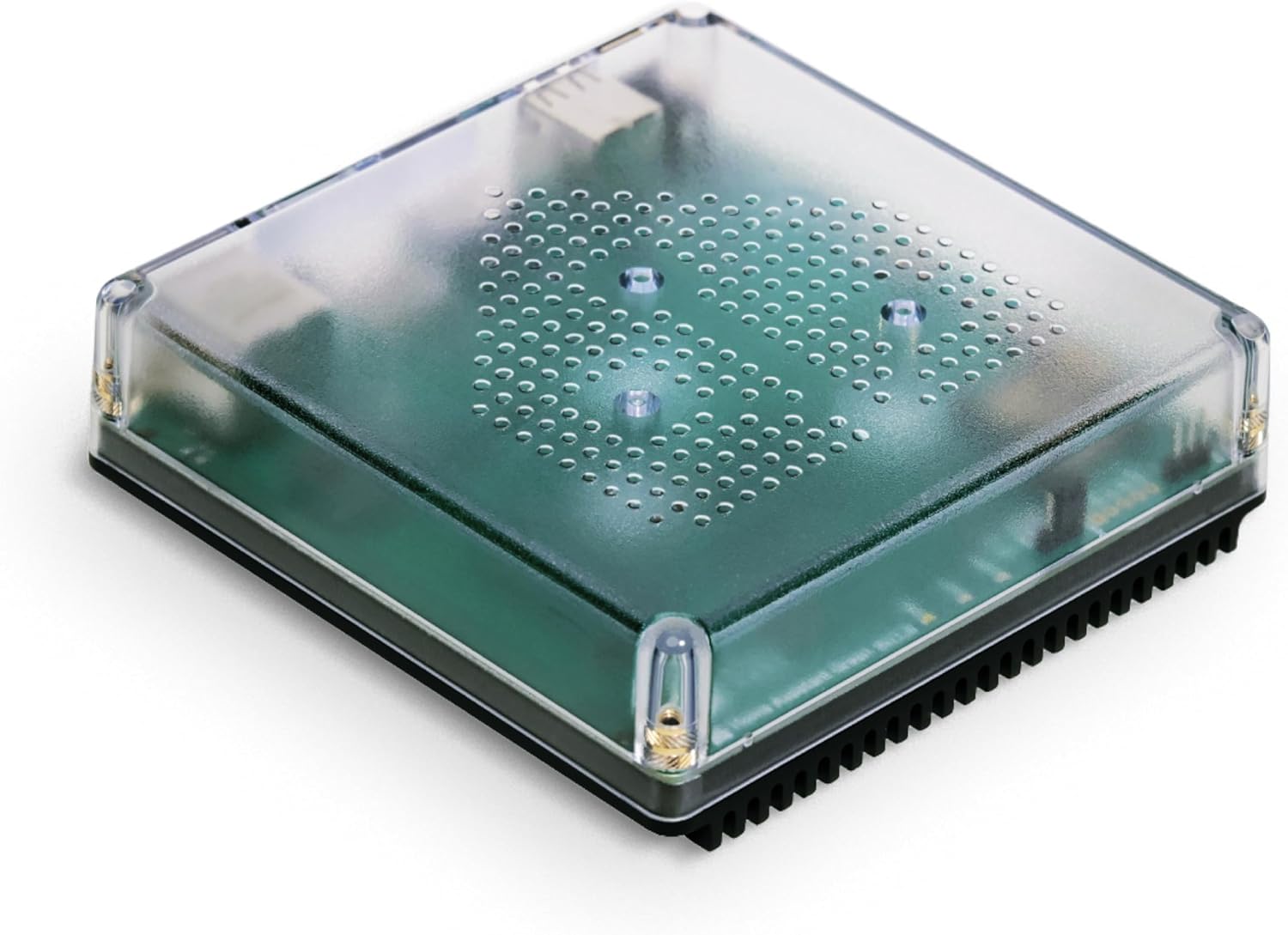


Home Assistant Green Review: The Easiest Way to a Smart Home?
Smart homes are becoming increasingly prevalent, but setting them up can be a daunting task. Enter the Home Assistant Green, designed to simplify the entire process. Today, we’re diving deep into this official Home Assistant hardware to see if it lives up to the hype of being the easiest way to get started with home automation.
Detailed Review
The Home Assistant Green is more than just a pretty box; it’s a dedicated hub designed to run Home Assistant OS efficiently. The key selling point is undoubtedly the ease of setup. With Home Assistant pre-installed, you simply plug in the power supply and Ethernet cable, and you’re ready to begin configuring your smart home. This drastically reduces the initial friction often associated with DIY smart home setups, which often involve flashing operating systems onto single-board computers.
Under the hood, the device packs a punch. The quad-core processor, paired with 4GB of RAM and 32GB of eMMC storage, provides ample horsepower to handle a substantial number of smart devices and complex automations. The fanless design ensures silent operation, making it suitable for placement in any room. The wired gigabit Ethernet connection offers a stable and reliable connection, crucial for maintaining a responsive smart home network. Note the *lack* of Wi-Fi which will require a wired connection.
One of the major advantages of using Home Assistant is its vast compatibility. It connects to almost every device imaginable, allowing you to consolidate control into a single app. The automation editor allows you to create intricate routines, such as dimming lights when a movie starts or adjusting the thermostat based on your location. Furthermore, Home Assistant emphasizes user privacy. Your data remains local on the Green, giving you complete control over your information.
The Green also supports the new Matter standard, ensuring compatibility with future smart home devices. The inclusion of two USB ports allows for further expansion with Z-Wave, Zigbee, and Thread USB dongles, providing connectivity for even more devices.
While the initial setup is simplified, Home Assistant itself can have a learning curve, particularly for users unfamiliar with YAML configuration or advanced automation concepts. However, the extensive documentation, coupled with the active Home Assistant community, provides ample resources to overcome these challenges. Nabu Casa also offers direct support to assist with initial setup issues.
Lastly, the device’s power efficiency is worth noting. Consuming only a couple of watts, the Home Assistant Green is an environmentally friendly choice for running your smart home.
Pros & Cons
| Pros | Cons |
|---|---|
| Easiest way to get started with Home Assistant | Home Assistant can have a learning curve for beginners |
| Official Home Assistant hardware with direct support | No built-in Wi-Fi (requires Ethernet) |
| Powerful hardware for handling numerous devices and complex automations | Remote access requires Home Assistant Cloud subscription or other solution |
| Privacy-focused: Data stored locally | |
| Supports Matter, Z-Wave, Zigbee, and Thread via USB | |
| Power efficient and silent |
Excellent Alternatives
- Home Assistant Blue – An older model that might be available at a lower price.
- SmartThings Hub – A more user-friendly option with a simpler interface, but less open and customizable.
- Hubitat Elevation – Another local smart home hub with a focus on privacy and reliability.
Final Verdict
The Home Assistant Green is an excellent choice for individuals looking to dive into the world of smart home automation without the complexities of DIY setups. While Home Assistant itself can be challenging to master, the Green significantly simplifies the initial setup process, making it a compelling option for both beginners and experienced users alike. If you value privacy, customizability, and broad device compatibility, the Home Assistant Green is definitely worth considering.
Our Rating
★★★★☆ 4/5